Articulating vs. telescopic
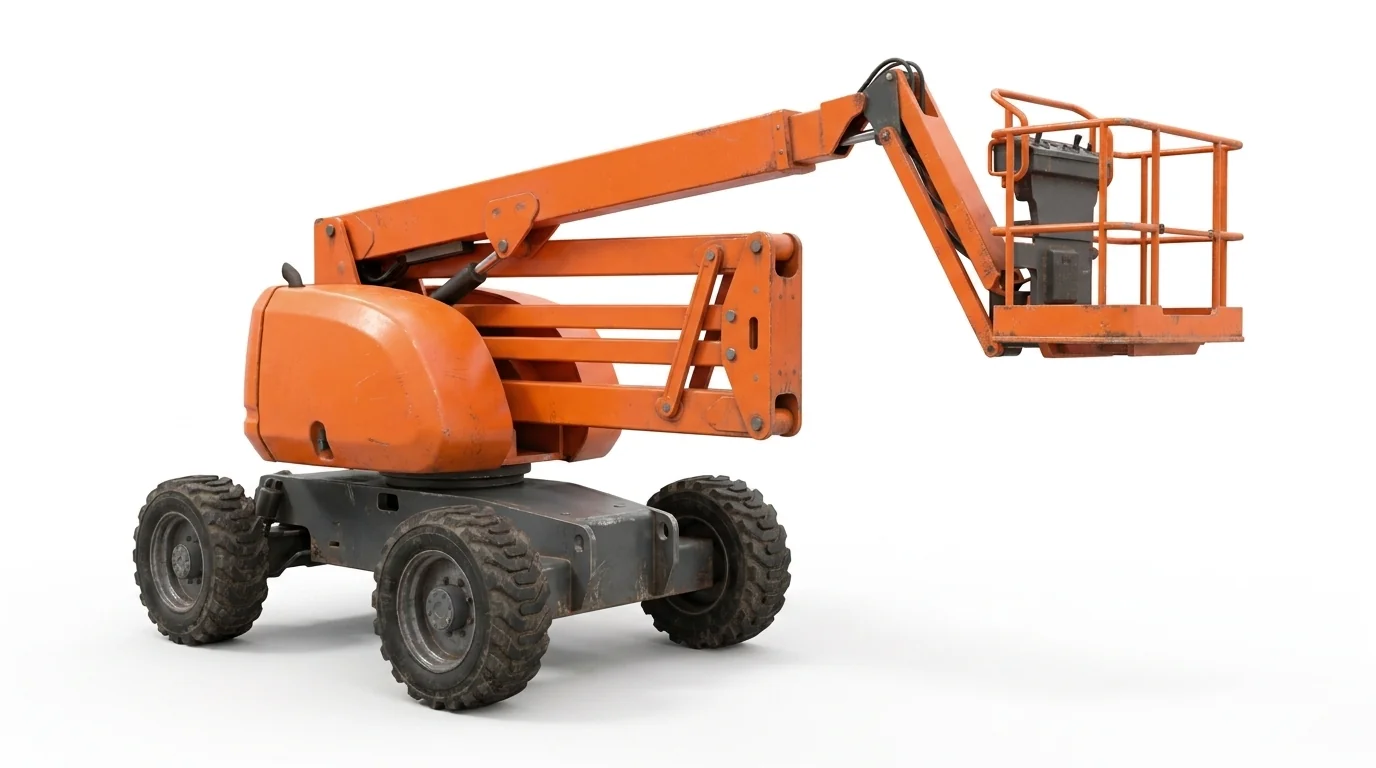
- Articulating booms: Best for complex up-and-over paths with obstacles. Multiple joints let the platform snake around equipment, wings, or structural members.
- Telescopic (straight) booms: Favor long, direct horizontal reach when the path is mostly clear and the target is offset from the chassis.
Ground and access considerations in Waco
- Exterior approaches on clay-based pads may require traction-focused drivetrains and suitable tires. Map grades, ruts, and soft patches from staging to work.
- Interior approaches in high-bay spaces call for lower emissions and careful floor loading. In some cases, a compact articulating electric boom fits better than a scissor when obstacles block vertical access.
Constraints that define the boom size
- Horizontal reach to the work: Measure the stand-off distance created by obstacles or no-go zones.
- Up-and-over height: The clearance arc over mezzanines, conveyors, or fixtures dictates the articulation or boom length.
- Envelope from ground to target: Confirm door heights, aisle widths, and turning radii from entry to staging.
When a scissor is more efficient
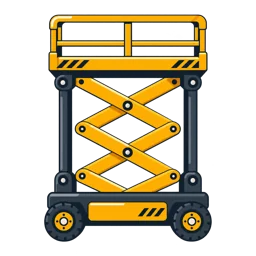
If the machine can sit directly beneath lighting, ductwork, signage, or facade panels and platform space matters, a scissor may be faster and simpler. Compare options at /aerial-lift-rental/ and /electric-scissor-lift-rental/ or /rough-terrain-scissor-lift-rental/.
Actual conditions, the selected unit’s instructions, and site procedures govern exterior and elevated work. Verify route stability and clearances before moving or elevating any boom.