Define the controlled area
- What must be separated: pedestrians, active lift lanes, or laydown yards? The answer sets panel height, site-stability factors strategy, and gate frequency.
- Can the line stay straight, or must it weave around columns, door tracks, or utility runs? Large interiors in repurposed facilities often require frequent turns and tapers.
- Will work continue after dark? Barricade reflectivity and light-tower placement change sightlines during night shifts.
Surface and weather considerations in Waco
- Expansive clay soils can pump under foot traffic and equipment during wet periods. Panel footing and site-stability factors selection change with moisture, slope, and wind exposure.
- Heat and humidity influence how long flexible components hold shape and how often crews can adjust lines during the day. Plan breaks in the layout where operations need frequent access.
Common configurations
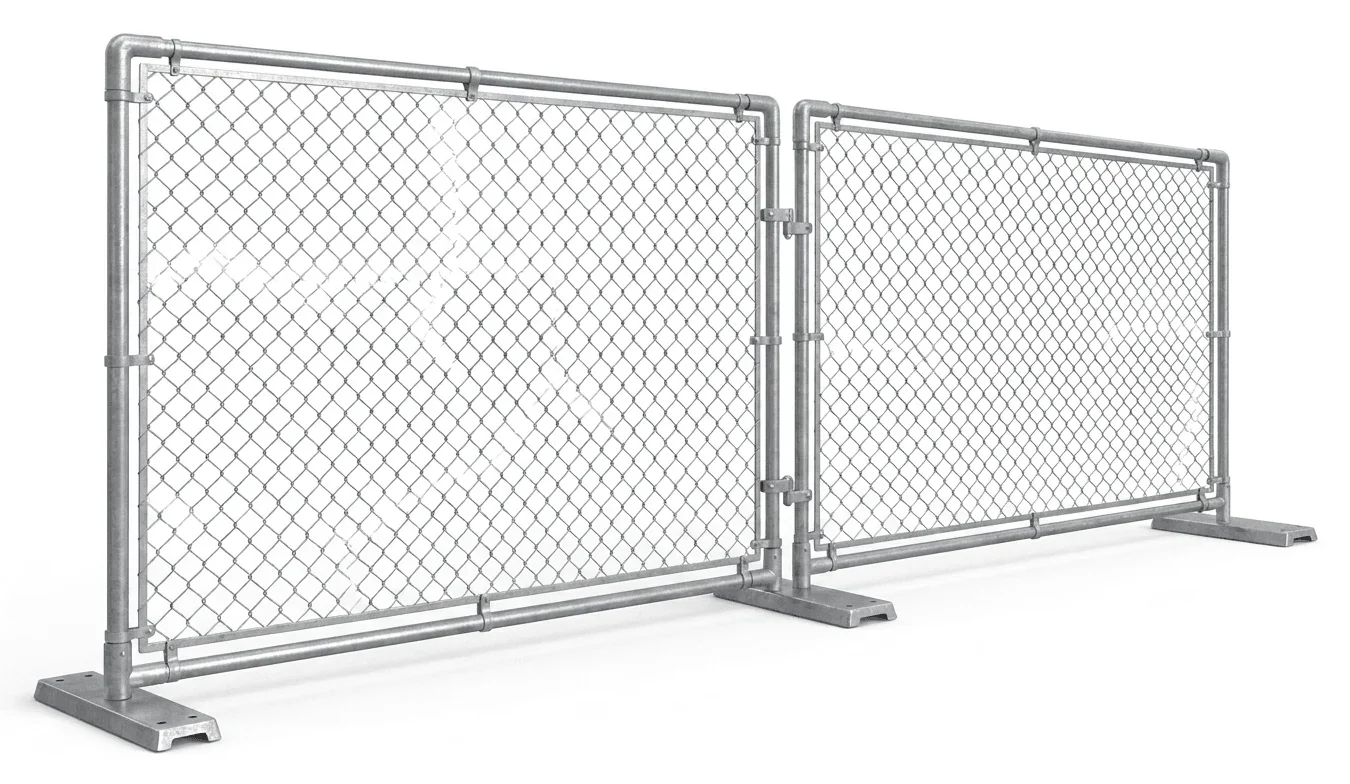
- Fence panels with weighted bases: Fast to reconfigure around moving work zones in warehouses or hangars; check aisle width and turning space for /electric-scissor-lift-rental/ and /boom-lift-rental/ routes.
- Barricades for interior lanes: Useful along lift charging areas and staging near /vertical-mast-lift-rental/ service work where pedestrians circulate.
- Perimeter lines with controlled gates: Appropriate for outdoor laydown or night work near equipment lighting; ensure gate width matches /forklift-rental/ or /telehandler-rental/ traffic.
Access routes and conflicts
- Map crossings between fenced zones and material flow. Gate placement aligns with dock doors, ramp transitions, and high-traffic corners.
- Near aerial tasks, keep lines outside potential swing or outreach envelopes. Where rough terrain and elevation change exist, reference /rough-terrain-scissor-lift-rental/ considerations.
Actual site conditions, the selected unit’s instructions, and site procedures govern placement and adjustments.