Define the approach path
- Can the machine park on firm ground with a direct sightline to the work?
- Is there room to swing and telescope without clipping racking, canopies, or utilities?
- Does the route from staging to the work cross soft or saturated ground?
Where outdoor clay soils are wet, rough-terrain models offer better traction and grade capability. On cured slabs or paved aprons, standard tires and larger footprints provide stability, but confirm surface protection needs near finished areas.
Reach, height, and envelope
- Horizontal reach drives the selection—measure from safe parking position to the work point.
- Platform height must clear the task with margin for tools or fixtures.
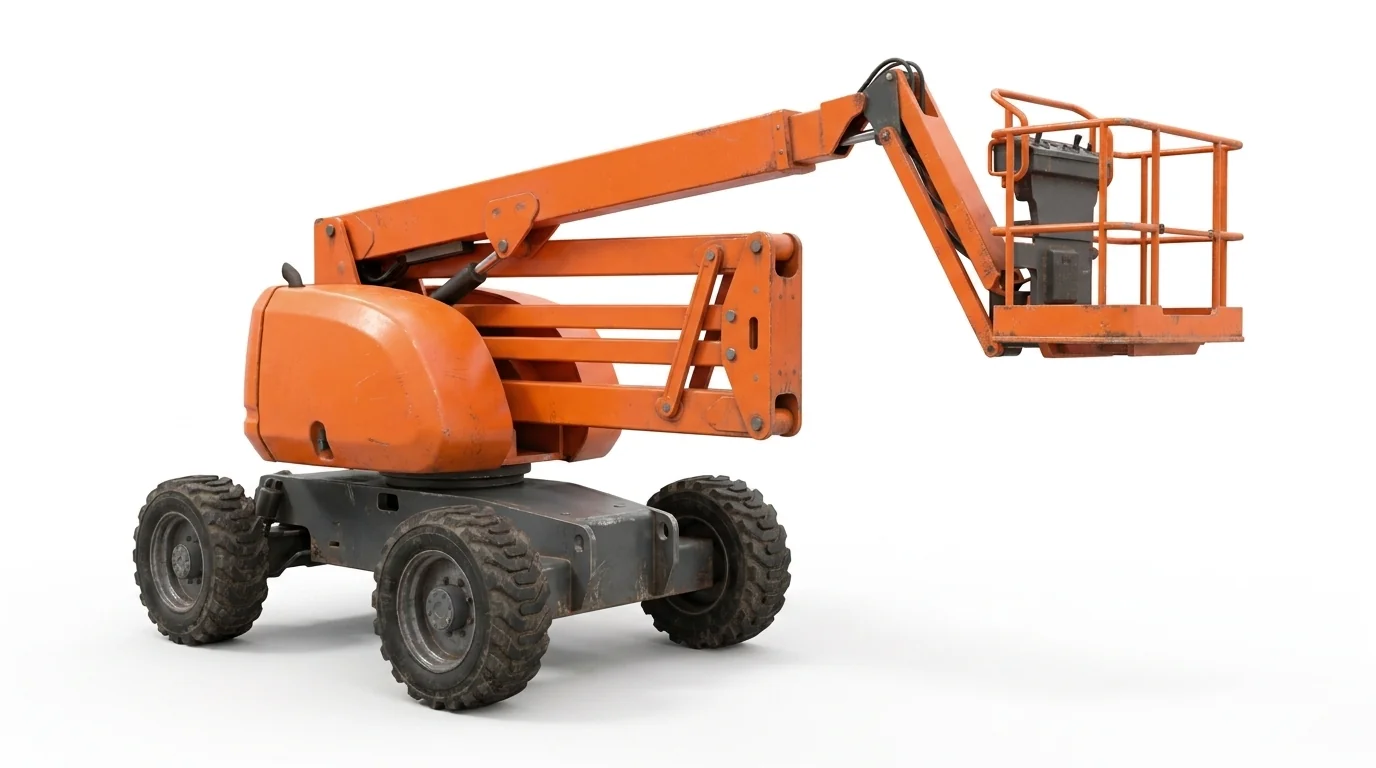
- A straight boom typically needs more open space to set up than an articulating unit; check setbacks from walls, curbs, and parked equipment.
Power and duty profile
- Diesel or dual-fuel suit outdoor and mixed-use yards.
- Electric options are increasingly viable on paved sites where ventilation or noise is a concern.
Local use cases
- Exterior facade repairs and signage on tall logistics buildings.
- Lighting and camera placement over wide parking or loading areas.
- Hangar-door and roofline details where the chassis can sit well back from the structure.
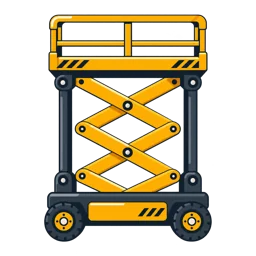
If obstacles prevent a direct line to the task, compare an articulating boom at /articulating-boom-lift-rental/. For vertical-only interior work, see /electric-scissor-lift-rental/.